

What Is Whole-Home Air Purification, and Is It Worth It for Louisiana Homes?
Service Bee-yond Compare!

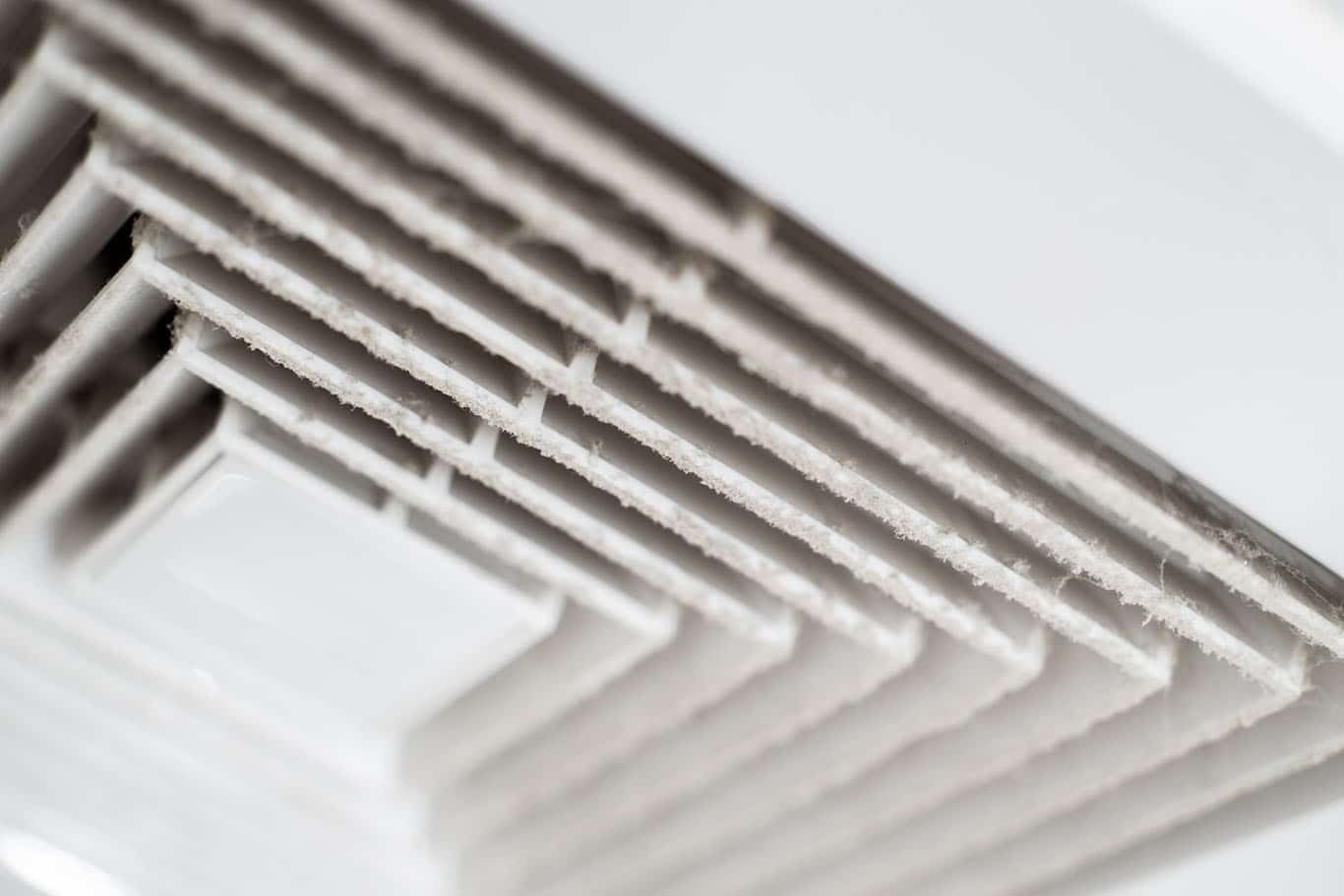
If you’ve ever wondered why your home feels stuffy even when the AC is running fine, or why your allergies seem worse indoors than out, you’re not imagining things.
Indoor air quality is a real issue, and in Louisiana, the climate makes it worse than average. At SBC Cooling + Heating, our Bossier City HVAC and Shreveport HVAC experts talk to homeowners about this regularly.
So let’s break down what whole-home air purification actually is, what your options look like, and whether it’s worth spending money on.
What “Whole-Home” Air Purification Actually Means
Portable air purifiers handle one room at a time. Whole-home systems work differently: they integrate directly into your existing HVAC system and treat the air as it circulates through your home. Every time your system runs, the air passing through gets filtered, purified, or both, depending on the technology you’re using.
That’s a meaningful distinction. A bedroom purifier won’t help the living room, and it won’t do anything about the air coming through your vents. A whole-home setup addresses your entire square footage without requiring you to manage a collection of standalone units.
The Main Types of Whole-Home Air Purification
There’s no single product that covers everything, so it helps to know what each technology actually does.
Media Filters (High-MERV and HEPA-style)
These are the upgraded versions of the standard 1-inch filter in your system. A media filter is typically 4 to 5 inches thick and can capture much finer particles, including dust, pollen, mold spores, and pet dander. They’re a solid baseline for most homes and they don’t require any electricity beyond what your HVAC system already uses. If your air filtration setup is still using basic fiberglass filters, this is usually the first upgrade worth making.
UV Germicidal Lights
UV lights are installed inside your air handler or ductwork and use ultraviolet radiation to neutralize bacteria, mold, and viruses as air passes through. They don’t filter particles, but they’re effective at killing biological contaminants that filters can’t trap. In a climate like Bossier City’s, where humidity keeps mold growth conditions favorable most of the year, UV lights are worth taking seriously.
Electronic Air Cleaners
These use an electrical charge to attract and capture airborne particles, similar to how a magnet works. They can be highly effective and often capture things that even high-MERV filters miss. The tradeoff is that they require periodic cleaning to stay effective, and some models produce small amounts of ozone as a byproduct, though better-designed units keep this within safe limits.
Whole-Home Air Purifiers (Combination Units)
Some systems combine filtration, UV treatment, and sometimes activated carbon into a single unit. Products like the iWave, Reme Halo, and Aprilaire whole-home purifiers fall into this category. They’re designed to handle multiple types of contaminants at once, which can be a good fit if you’re dealing with a combination of particle, biological, and odor issues.
Why Louisiana Homeowners Have More to Think About
Most of the country deals with air quality issues seasonally. Louisiana homeowners deal with them year-round. High humidity creates ideal conditions for mold growth inside ductwork and air handlers. Pollen seasons are extended. Homes stay closed up and air-conditioned for the better part of eight or nine months, which means whatever’s in your air keeps circulating.
This is also why dehumidification is often part of the indoor air quality conversation down here. Purification and humidity control work together: even a good filtration system has a harder time keeping up when excess moisture is feeding mold and dust mites.
So Is It Worth It?
That depends on your situation, but here’s an honest breakdown:
- You’ll likely benefit most if you have household members with allergies, asthma, or respiratory sensitivities; you have pets; your home has had moisture or mold issues; or you’ve noticed persistent musty odors.
- You’ll see moderate benefit if your home is well-sealed and you’re mostly just looking to reduce dust and improve general air freshness.
- It may not be the right first step if your HVAC system itself needs attention. A system that’s overdue for AC maintenance or has issues with airflow won’t distribute purified air effectively regardless of what filtration you add.
Cost-wise, whole-home systems vary quite a bit. A media filter upgrade might run a few hundred dollars installed. UV light systems typically fall in the $500 to $900 range. Full combination purification units can go higher, depending on the technology and your home’s size. These aren’t impulse purchases, but for families dealing with real air quality problems, most find the results justify the cost.
What to Do Before You Commit
Before investing in any indoor air quality upgrades, it’s worth having someone take a look at your current system. Duct leaks, dirty coils, and poor airflow can all undermine air quality regardless of what purification technology you add on top. The equipment matters, but so does the system it’s running through.
If you’re not sure where to start or what your home actually needs, the team at SBC Cooling + Heating can walk you through it. Reach out here to schedule a time to talk.
Call (318) 465-0853Service Areas
Serving Caddo Parish, Bossier Parish & Bee-yond!
 All Service Areas