

Heat Pump vs. Furnace: Which Is Right for Your Shreveport Home?
Service Bee-yond Compare!

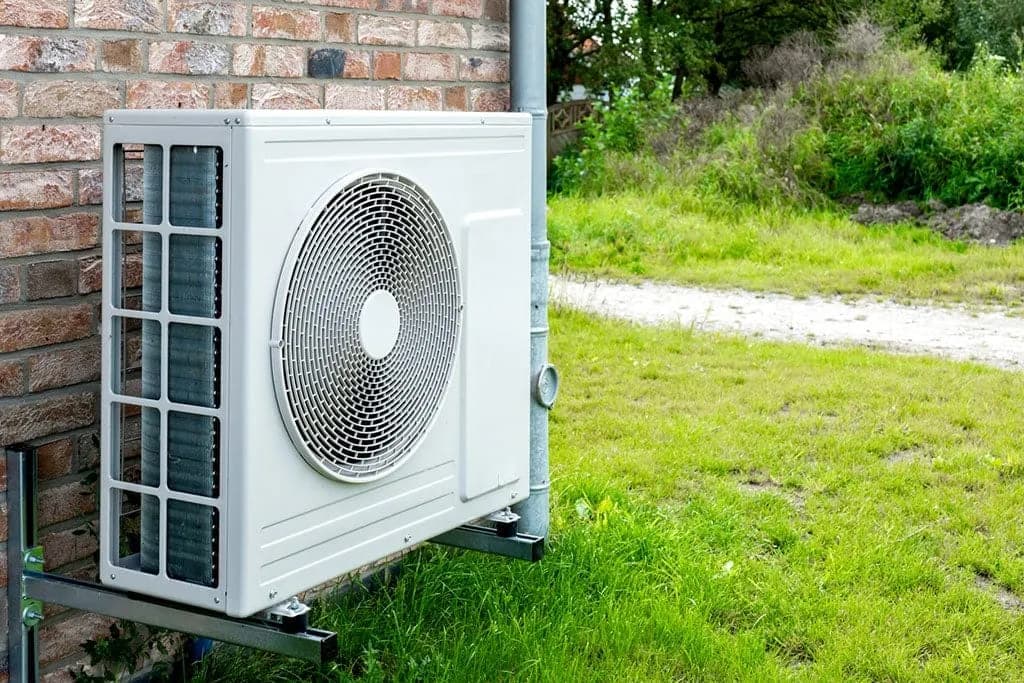
If you’re replacing a heating system in Shreveport, you’ve probably heard two different answers depending on who you ask. One contractor swears by gas furnaces. Another says heat pumps are the only way to go. At SBC Cooling + Heating, we install both across Caddo and Bossier Parish, and the honest answer is that the right pick depends on your house, your gas line, and how much those few hard freezes each winter bother you.
How Each System Makes Heat
A furnace creates heat. Most furnaces in the Shreveport area burn natural gas, warm the air passing over a heat exchanger, and push it through your ducts. It handles heating only, so it pairs with a separate air conditioner for summer.
A heat pump moves heat instead of making it. In summer it works exactly like your AC, pulling heat out of the house. In winter it runs in reverse, pulling warmth out of the outdoor air and bringing it inside. One outdoor unit handles both seasons. If you want a deeper look at how they work, our heat pump service page breaks it down.
Why Our Climate Favors Heat Pumps Most of the Time
Shreveport’s average January day runs from the mid-30s overnight to the upper 50s in the afternoon. That’s the range where heat pumps do their best work. A modern unit can deliver two to three times more heat energy than the electricity it uses when it’s 40 or 50 degrees outside.
Louisiana also has some of the cheapest residential electricity in the country, recently around 12 to 13 cents per kWh. Cheap power plus mild winters is a good combination for a heat pump’s operating costs.
There’s a practical upside, too. If your air conditioner is nearing the end of its life anyway, a heat pump replaces it as part of the same job. Our AC installation team sees plenty of homeowners who go in planning to swap an AC and come out with year-round heating and cooling from one system.
Where a Gas Furnace Still Makes Sense
Heat pumps lose capacity as temperatures drop into the 20s and teens. When they can’t keep up, they lean on backup electric heat strips, which use far more electricity for the same warmth. Most winters, that only happens for a handful of nights. Then there are winters like February 2021, when Shreveport hit 1°F and stayed below freezing for days.
A gas furnace doesn’t care how cold it is outside. It puts out the same strong heat at 10 degrees as it does at 45. The air coming from your vents also feels noticeably warmer, often 120°F or higher compared to the 90-something degrees a heat pump delivers. People who run cold tend to notice that difference.
A furnace usually comes out ahead if:
- Your home already has a gas line and a working flue
- You’ve got an older, drafty house that loses heat quickly
- Someone in the house is always reaching for a blanket
- Your current AC is still in good shape and doesn’t need replacing
Keep in mind that a gas furnace still needs electricity to run its blower and controls, so it won’t keep you warm during a power outage on its own.
The Middle Ground: A Dual-Fuel System
You don’t have to choose just one. A dual-fuel setup pairs a heat pump with a gas furnace. The heat pump handles cooling and most of the winter, then hands off to the furnace when temperatures drop below a set point, usually somewhere around freezing.
For a lot of Shreveport homes with existing gas service, this is the most cost-effective option over the long run. It works best with a smart thermostat that can manage the switchover automatically.
What It Costs, Upfront and Over Time
A few cost factors that don’t always come up in a sales pitch:
- Lifespan: A heat pump runs all year, so it typically lasts 10 to 15 years. A gas furnace that only runs a few months a year often goes 15 to 20.
- Maintenance: A heat pump needs attention twice a year since it works in both seasons. A furnace plus AC also adds up to two tune-ups.
- Tax credits: The federal heat pump tax credit ended for systems installed after December 31, 2025. If someone quotes you that $2,000 credit on a 2026 installation, ask questions.
- Ductwork: Both systems rely on your ducts. Leaky attic ducts can waste a big share of what either system produces, so a ductwork inspection belongs in the conversation before you buy new equipment.
Questions to Ask Before You Decide
Your answers to these four will usually point you in the right direction:
- Does your home have natural gas service now? If not, running a new gas line adds real cost.
- How old is your current AC? If it’s past 12 years, a heat pump gets you two upgrades at once.
- How long do you plan to stay? Longer stays favor higher-efficiency equipment.
- Has your current heater needed repairs two winters in a row? That’s usually a sign it’s time to replace rather than fix again.
When we do a heating installation estimate, we look at your gas service, duct condition, insulation, and the age of your cooling equipment before recommending anything. Sometimes the best answer is the system you already have, with a repair.
Get a Straight Recommendation for Your Home
If you’re stuck between the two, we’ll come out, look at what you’ve got, and walk you through the numbers for your specific house. You’ll get a clear recommendation and the reasoning behind it, whether that’s a heat pump, a furnace, or both working together. Contact SBC Cooling + Heating to book an appointment.
Service Areas
Serving Caddo Parish, Bossier Parish & Bee-yond!
 All Service Areas